
I’ve spent over ten years working in the mattress and sleep-products industry, split between retail floors, manufacturer training rooms, and more customer follow-ups than I can count. I’ve fitted thousands of people for mattresses, handled warranty claims, and heard the same frustrations repeated in different words. I’ve also become very familiar with helping customers find the right match on sites like https://www.garnerstores.com/catalog/mattresses because most mattress problems don’t come from defects. They come from mismatches—between body, sleep habits, and expectations.
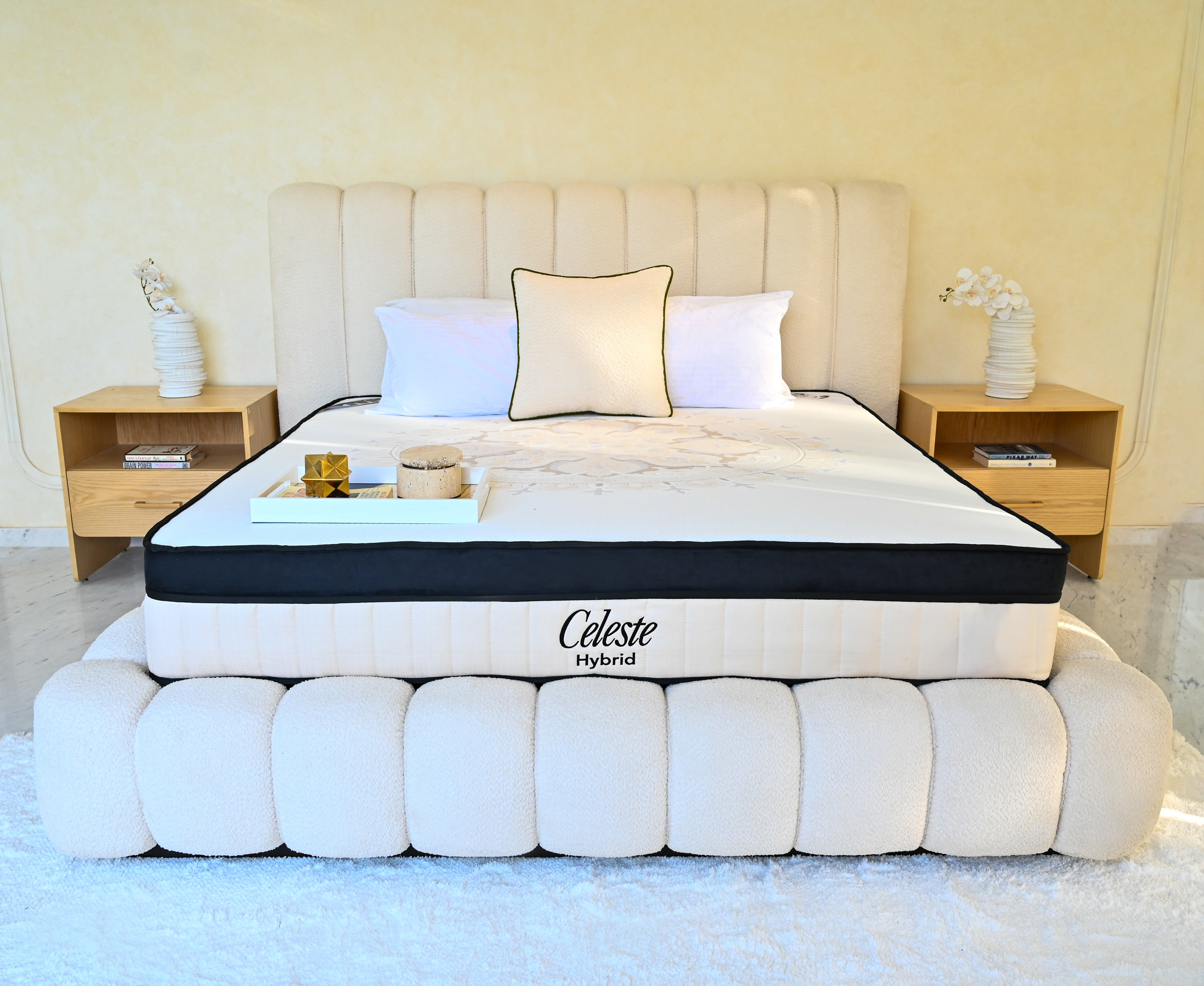
Early in my career, I believed firmness labels mattered more than they actually do. A mattress marked “firm” felt firm to me, so I assumed it would feel firm to everyone. That belief didn’t survive my first few months on the sales floor. I remember a customer who insisted on the firmest mattress we carried because her old one “collapsed.” Within a week, she called back with shoulder pain so intense she was sleeping on the couch. The mattress wasn’t defective—it was simply wrong for her side-sleeping posture and lighter frame. Once she switched to something with pressure relief in the upper layers, the pain disappeared.
One of the most common mistakes I see is people testing mattresses for a few minutes and trusting their first impression. A mattress can feel great standing or sitting on it and still fail after six hours of sleep. I’ve had customers swear a bed felt perfect in-store, only to realize at home that their lower back tightened overnight. In my experience, alignment matters more than initial comfort. If your hips sink too far or your shoulders can’t settle naturally, discomfort builds slowly, then suddenly.
Another issue people underestimate is how much body heat affects sleep. I’ve worked with customers who complained of restless nights for years, assuming stress or age was the cause. In several cases, the real culprit was heat retention from dense foam. One couple I worked with replaced their mattress thinking it had softened too much, but the real improvement came from switching to a design that allowed better airflow. Their sleep didn’t improve because the bed was newer—it improved because they stopped overheating.
I’ve also seen people overspend on features they don’t need while ignoring ones they do. Adjustable firmness zones, thick pillow tops, and luxury fabrics sound appealing, but they don’t compensate for poor support. I once handled a return on a high-end mattress that cost several thousand dollars. The owner was frustrated and embarrassed, convinced he’d made a mistake buying something “too fancy.” The problem wasn’t the price—it was that the mattress was designed for a completely different sleep position than his.
Mattress lifespan is another area full of confusion. People expect a mattress to last until it visibly collapses, but performance usually declines long before that. I’ve replaced beds that looked fine but had lost subtle support, leading to chronic aches. I’ve also seen well-made mattresses still performing well after many years because they were properly matched and rotated. Wear isn’t always obvious; comfort loss often shows up first in how you feel in the morning, not how the bed looks.
From a professional standpoint, I tend to advise people to focus less on brand promises and more on how their body responds over time. Weight distribution, sleep position, and even injuries matter more than marketing terms. A mattress doesn’t need to feel impressive in a showroom—it needs to stay neutral and supportive through the night.
After a decade in this field, I’ve learned that a good mattress rarely draws attention to itself. The best feedback I hear isn’t excitement; it’s relief. People tell me they stopped thinking about their bed entirely, and their mornings quietly improved. That’s usually the sign the right choice was made.