
I’ve been playing bass guitar for a little over ten years, most of that time split between live gigs, studio sessions, and teaching newer players who come in convinced they “don’t know enough theory.” I learned early on that bass guitar notes intimidate people for the wrong reasons. They get stuck memorizing fretboard diagrams and miss what actually matters: how notes behave once the band starts playing.
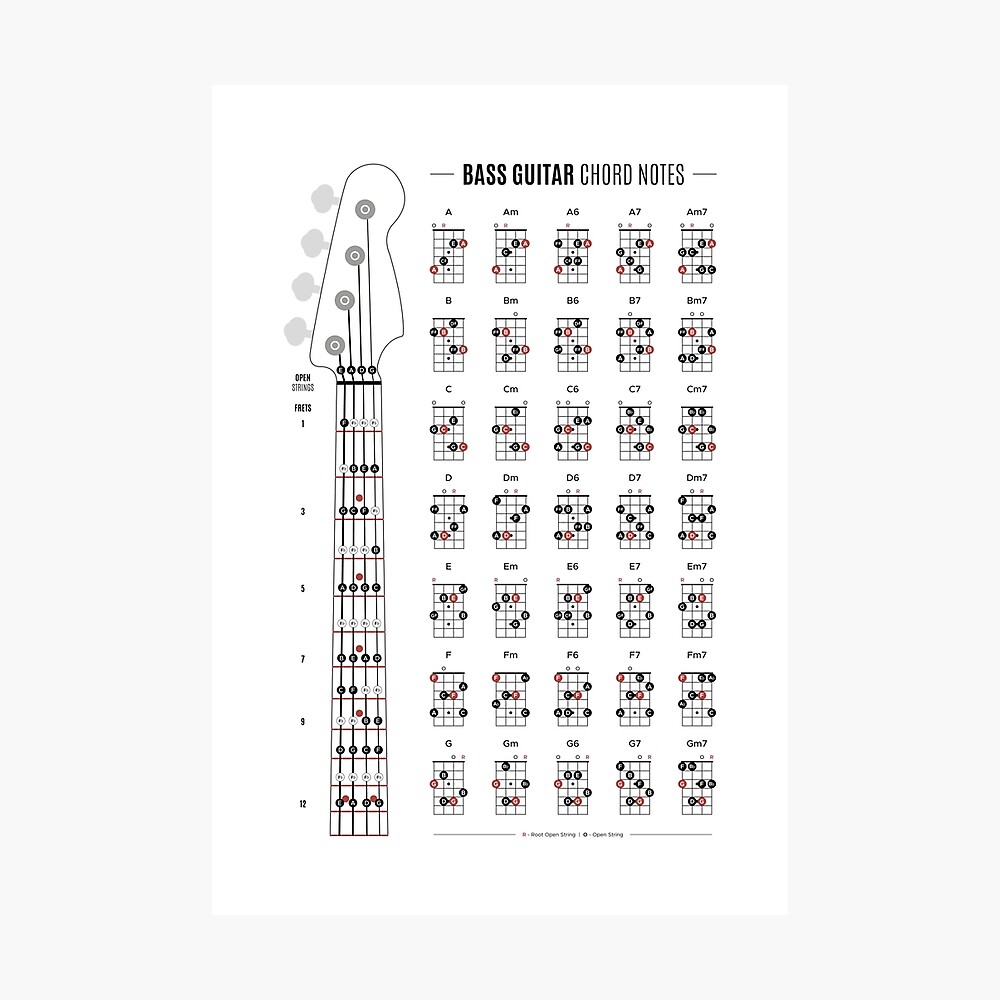
When I first picked up bass, I treated notes like checkpoints. Hit the right letter name, move on. That worked fine in my bedroom, but it fell apart the first time I played with a drummer who pushed the tempo and a guitarist who loved chord substitutions. I remember one rehearsal where I technically played the correct notes, but the groove felt wrong. Afterward, the drummer told me, “You’re thinking too much about where you are and not enough about where the song is going.” That comment reshaped how I approached notes entirely.
On bass, notes don’t exist in isolation. The same E can feel stable, tense, supportive, or completely out of place depending on context. Early in my gigging years, I filled lines with extra notes because I thought movement equaled skill. What I didn’t realize was that unnecessary notes weaken the foundation. Holding a root note at the right time often does more for a song than running a scale cleanly. That restraint took years to develop, and it only came from listening to how bands actually lock in.
One of the most common mistakes I see from newer players is learning notes vertically instead of horizontally. They know every note on the E string but panic when asked to play the same pitch elsewhere. I struggled with this too. It wasn’t until a studio session forced me to stay in one position for tone consistency that the fretboard finally clicked. Notes stopped being isolated dots and started forming shapes that repeated across strings. Once that happens, transposing stops feeling like math and starts feeling physical.
Another misconception is that bass notes exist primarily to outline chords. That’s partly true, but rhythm gives notes their weight. I’ve played the same note pattern behind two different drummers and gotten completely different results. The pitch didn’t change; the placement did. Bass notes live at the intersection of harmony and time, and ignoring either one makes the line feel empty.
Teaching has reinforced this lesson for me. Students often ask which notes are “safe.” My answer is always the same: safe notes depend on what everyone else is doing. A note that sounds wrong in isolation can sound perfect if it leads somewhere. I once watched a student freeze because they hit a non-chord tone by accident. We looped the section, and I had them lean into it instead of avoiding it. The tension resolved naturally, and the line suddenly sounded intentional.
After a decade of playing, my relationship with bass guitar notes is simple. I don’t chase them; I place them. Notes are tools, not goals. When you stop treating them as facts to memorize and start hearing them as roles within a groove, the instrument opens up. The bass doesn’t need to say everything. It just needs to say the right thing at the right moment, and the notes will take care of themselves.