
In my experience as a carpenter with over a decade of hands-on experience in furniture, cabinetry, and custom projects across Sydney, Plywood has proven to be one of the most versatile and reliable materials in my toolkit. Its combination of strength, flexibility, and durability makes it ideal for projects ranging from delicate furniture pieces to heavy-duty workshop surfaces.
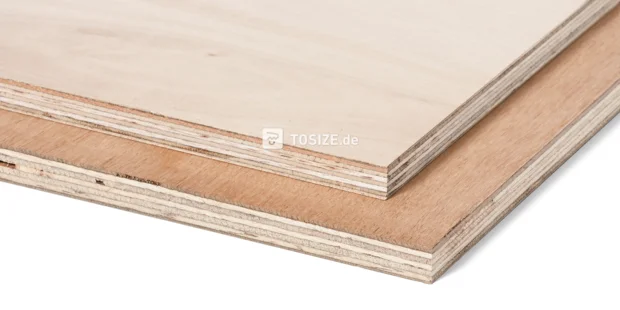
I recall a project from a few years ago where a client wanted a custom entertainment unit with multiple shelving compartments. They were hesitant about using plywood, thinking it might sag or feel cheap. I recommended a high-quality marine plywood, which offers excellent resistance to warping and can hold substantial weight. After installation, the unit not only supported heavy electronics and décor flawlessly but also looked sleek and professional. That project reminded me why selecting the right grade of plywood is so crucial—it can transform both the functionality and aesthetics of a piece.
Another example happened last spring. A customer brought in several sheets of plywood they had purchased elsewhere to build kitchen cabinets. Within weeks, some of the sheets began to warp due to humidity. After examining the boards, I realized they were low-grade interior plywood, unsuitable for damp environments. I advised switching to exterior-grade plywood, which performed perfectly. The cabinets held their shape, looked smooth, and required minimal finishing. That situation reinforced a lesson I see repeatedly: using the wrong type of plywood is one of the most common mistakes, and it can be costly to fix later.
I also encountered a scenario during a workshop renovation. I needed surfaces for heavy-duty workbenches that could withstand constant use, occasional paint spills, and repeated hammering. I chose Baltic birch plywood for its consistent layers and smooth finish. Years later, those benches are still solid, functional, and attractive—a testament to the long-term benefits of investing in quality plywood.
Through these experiences, I’ve learned practical tips that make working with plywood more effective. Cutting it with dull blades leads to splintering, while leaving edges unsealed allows moisture to warp the boards. I always measure carefully, cut precisely, and seal exposed edges with veneer tape or polyurethane. It’s a small step that makes a huge difference in the lifespan of any project.